So you're sitting there, possibly on the sofa or at your work area, and you open your MacBook Air. But something's off. The foot inch of the screen looks weird—like somebody turned down the brightness fair on that portion.
You tilt it forward a bit, and it flashes. Tilt it back, and it goes dull completely. Yeah. That sucks. I've been there. A couple years back my daily driver—I think it was a 2019 Air—started doing this. At first I thought it was a software glitch.
Maybe I'd installed something funky? Nope. Restarted a few times. Nothing changed. Eventually I realized the screen only acted up when I opened the laptop past a certain angle. Turns out, that's the classic sign of what people call MacBook Air Flexgate.
How to Fix MacBook Air Flexgate?
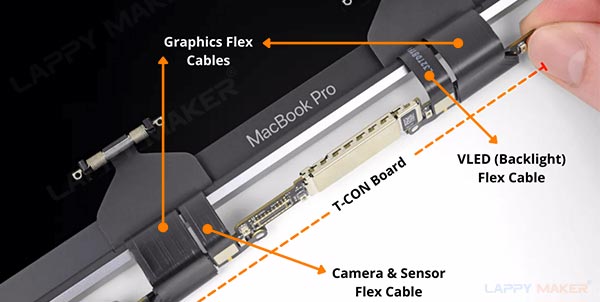
Here's the thing no one tells you when you purchase a smooth, costly tablet: a few of them have a covered up flaw. With certain MacBook Air models, the cable that interfaces the screen to the fundamental body is fair a small as well brief.
Read Also: Is the MacBook Air Good for Coding Boot Camp?
Or possibly it's steered ineffectively. Either way, each time you open and near the cover, that cable bends. And twists. And twists. Eventually, it cracks.
I remember talking to a repair guy about this. He showed me the inside of a dead MacBook Air screen. The cable literally had visible stress marks—like if you take a plastic ruler and bend it until it goes white. That's what's happening inside your laptop.
It's not your fault. You didn't drop it. You didn't get it wet. You just used it.
What to Look For (Besides the Obvious)?
If you're perusing this since your screen is acting up, check for these things. Compose them down if you require to, since when you conversation to Apple or a repair shop, they'll inquire:
-
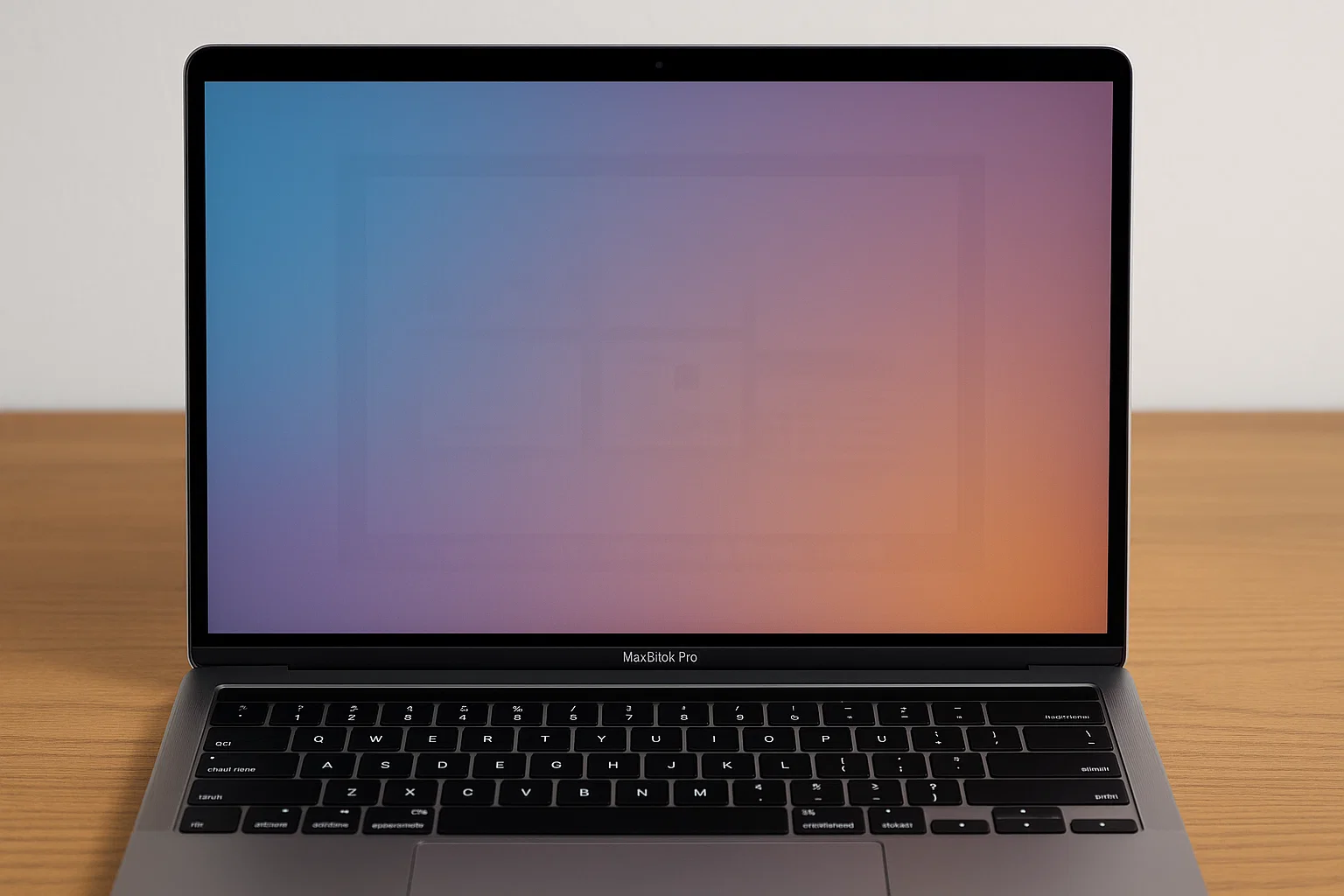
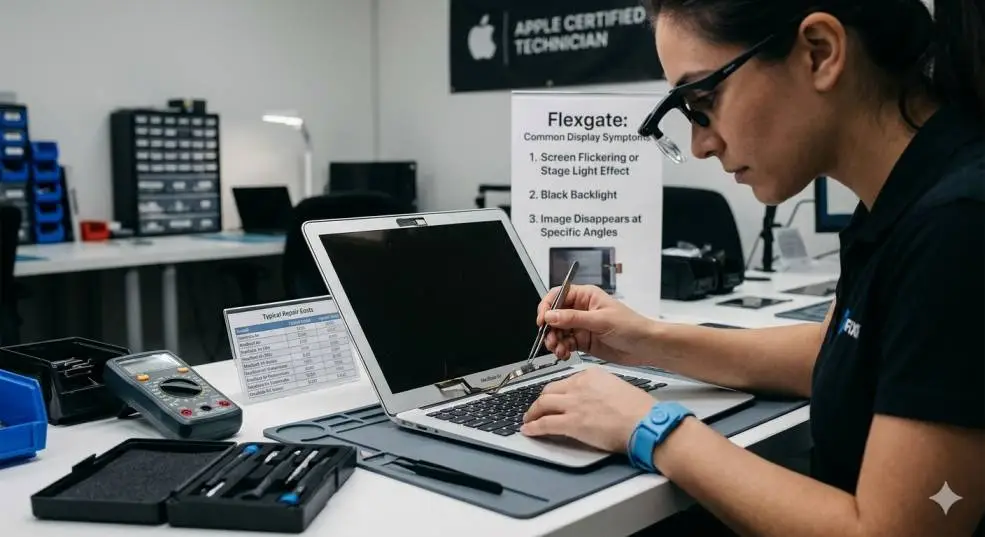
The bottom of the screen looks dim. Like someone put a strip of dark tape along the edge. Sometimes it's flickery, sometimes it's just dark.
-
The angle thing. This is the big one. If your screen works fine at certain angles but freaks out when you move it, that's the cable.
-
You hear the computer turn on, but the screen stays black. If you shine a flashlight real close to the Apple logo, you might see a faint image. That means the computer is working, but the backlight isn't.
Wait, Which MacBooks Actually Have This Problem?
Apple officially admitted this was a thing sort of. They had a repair program, but it was mostly for the 2016 MacBook Pro 13-inch models. The Air? Not really. But from what I've seen in forums and repair logs, the issue pops up on:
-
MacBook Air 2018
-
MacBook Air 2019
-
MacBook Air M1 (2020) — yes, even the M1.
-
Some of the 2017 MacBook Pro models too.
I actually saw an M1 Air with this issue at a coffee shop last year. The guy was frustrated because his laptop was only like a year and a half old. He thought he'd cracked the screen somehow. Nope. Just the cable.
The "Secret" Apple Program That's Not So Secret
So here's the deal with Apple's repair program. They did launch one. But it's technically only for certain 13-inch Pros from 2016. If you have an Air, you're technically not covered. But.
You Must Also Like: How to Screenshot on MacBook Air M2?
I've heard stories. Enough stories that I think it's worth your time to at least ask. Take it to an Apple Store. Be nice about it. Say something like "Hey, I heard this might be a known issue with these models, is there any chance you guys can help me out?" The worst they can say is no.
Sometimes they'll do it as a "customer satisfaction" thing. Sometimes they won't. But you lose nothing by asking politely.
How Much Will This Actually Cost You?
This is where you have to make a choice. Two paths.
Path One: Go to Apple
Apple doesn't do half-measures. They won't replace just the cable. They replace the whole screen assembly. The whole lid.
-
Price: Usually between $450 and $650 depending on your model.
-
Wait time: A few days to a week and a half.
-
Pros: It's Apple. It's official. You get a warranty.
-
Cons: It's expensive, and honestly, throwing away a whole screen just because a tiny cable broke feels wasteful.
If you have AppleCare+, this is your best option. The cost drops way down.
Path Two: Find a Local Repair Shop
This is what I did. There's a guy near me who does board-level repairs. He doesn't replace the screen. He opens it up, takes out the old broken cable, and solders in a new one.
Sometimes they use a cable that's actually a little longer or reinforced so it doesn't break again.
-
Price: Usually $150 to $350.
-
Wait time: Sometimes same day, maybe a day or two.
-
Pros: Way cheaper. You keep your original screen. Faster.
-
Cons: Quality depends on the shop. You gotta find someone who knows what they're doing.
Quick tip: When you call a shop, ask them directly: "Are you replacing the whole screen or just the cable?" If they say "we replace the whole display," hang up and call someone else unless you want to pay Apple prices.
| What Matters | Apple Store | Local Shop |
|---|---|---|
| What they fix | Whole screen | Just the broken cable |
| Rough cost | $500 - $800 | $150 - $350 |
| Parts | Genuine Apple | Usually good quality, sometimes better |
| Warranty | 90 days | Varies (30-90 days usually) |
| Time | 5-10 days | 1-2 days |
What to Do Right Now (Before You Fix Anything)
If your screen is flickering but still kinda working, here's how to survive until you get it repaired.
-
Don't keep moving the lid. Find the angle where it works and leave it there. Seriously. Every time you move it, you're making the crack worse.
-
Plug in an external monitor. If you have a TV or another screen lying around, you can hook it up via USB-C. This bypasses your broken screen entirely. You can keep working while you figure out the repair.
-
Back up your stuff now. Not later. Now. If the cable completely fails, you might not be able to see what you're doing to back up. Do it while you can still see the screen.
So Should You Fix It or Give Up?
Here's my honest take, based on watching friends and clients go through this. If you have an M1 MacBook Air (2020 or later), the computer itself is still great. It's fast. It's got years left.
Spending $250-$300 on a repair makes sense. Don't spend $600 at Apple—put that money toward a future upgrade instead. If you have an older Intel model, like 2017 or 2018, ask yourself: is the laptop already feeling slow?
Does the battery die fast? If yes, putting $300 into a screen might not be the smart move. That money is better saved for a new MacBook.
Me? I fixed my 2019 Intel Air for about $280. That was two years ago. It's now my backup machine hooked up to a TV, and the screen still looks fine. The shop used a slightly longer cable, so it shouldn't break again.
Frequently Asked Questions!
Can I just fix this myself?
Look, if you're really good with tiny soldering irons and have done board repair before, maybe. But for most people? No. It's delicate work. One wrong move and you're buying a whole new laptop anyway.
Is Apple ever going to recall these?
Probably not. Recalls are for safety stuff, like batteries that might catch fire. This is just an annoyance. Unless a class action lawsuit forces them, they'll keep treating it case by case.
How do I stop this from happening again?
After you get it fixed, be a little gentler with the lid. Don't whip it open. Don't open it with one hand from the corner (that twists the hinge). And if you go to a local shop, ask if they can use a cable that's designed to last longer.
I have a 2017 MacBook Pro with screen issues—same thing?
Yeah, same deal. Same cable problem. Check if it's the 13-inch model—you might get lucky with a service program. The bigger ones usually need paid repairs.
Final Thoughts
Look, it's annoying when an expensive laptop breaks because of a design thing. But MacBook Air Flexgate isn't some mystery. It's fixable. You don't need to trash your computer and spend a thousand bucks on a new one.
Find a decent repair shop. Ask them the right questions. Get the cable replaced for a couple hundred bucks. Back everything up first, be nice to the screen while you wait, and you'll be fine.
And hey, if Apple says no to the free repair, don't take it personally. Just take your business somewhere else.